
Understanding the risks of untreated whiplash and how targeted chiropractic care can accelerate healing and restore mobility after an injury
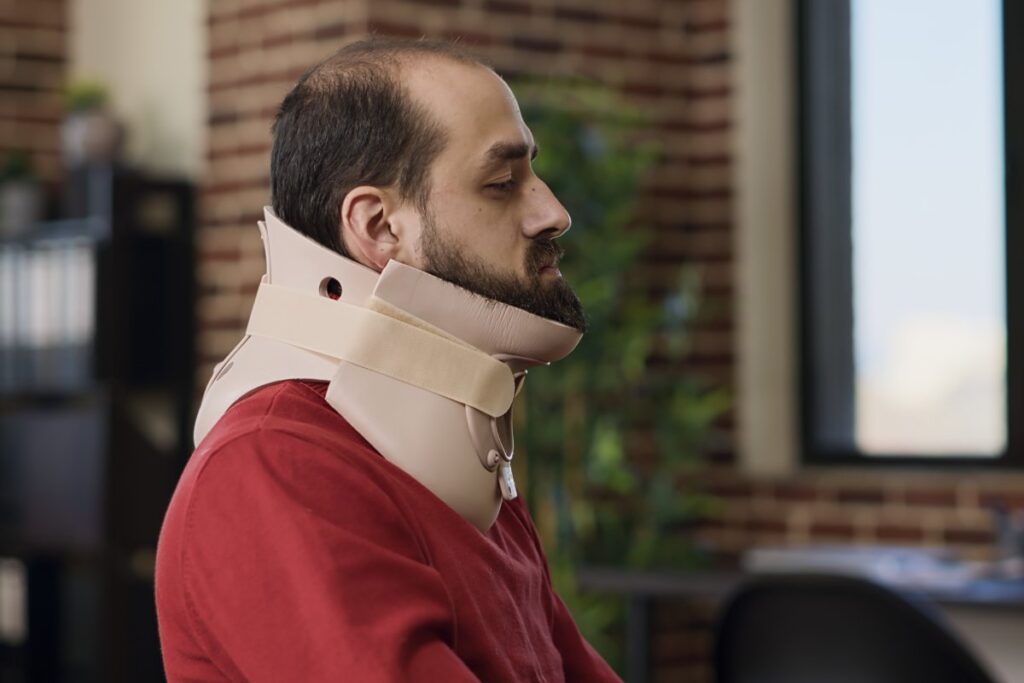
Whiplash is one of the most common injuries associated with car accidents. Many personal injury victims walk away from an accident believing they’re fine, only to develop symptoms days or even weeks later. What seems like minor discomfort can quickly escalate into chronic pain, limited mobility, and long-term health complications.
At Chiropractic Center of Erie & Longmont, CO, patients receive expert, personalized care designed to address the root causes of whiplash injuries—not just the symptoms.
With over 29 years of experience serving the Front Range community and multiple “Best of the West” recognitions, their team understands how to guide patients through safe and effective whiplash injury treatment and recovery.
What Is Whiplash?
Whiplash is a neck injury caused by a sudden, forceful back-and-forth movement of the head—similar to the cracking of a whip. This motion is most commonly seen in rear-end car accidents, but it can also occur during sports injuries, slips and falls, or other traumatic events.
The rapid movement stretches and strains the soft tissues in the neck, including muscles, ligaments, and tendons. In more severe cases, it can affect spinal discs, joints, and nerves.
Common symptoms of whiplash include:
- Neck pain and stiffness
- Headaches (often starting at the base of the skull)
- Reduced range of motion
- Shoulder or upper back pain
- Tingling or numbness in the arms
- Fatigue and dizziness
Because symptoms don’t always appear immediately, many people delay seeking care—putting them at risk for more serious complications.
7 Hidden Dangers of Whiplash
1. Delayed Symptom Onset
One of the most dangerous aspects of whiplash is how symptoms can be delayed. After an accident, adrenaline and shock can mask pain, making you feel fine initially. However, within 24–72 hours—or even longer—symptoms can emerge.
This delay often leads individuals to underestimate their injury, postponing essential care from a chiropractor for whiplash.
2. Soft Tissue Damage That Doesn’t Show on X-Rays
Standard imaging like X-rays, is excellent for detecting fractures, but it often fails to reveal soft tissue injuries. Whiplash primarily affects muscles, ligaments, and tendons—structures that don’t show up clearly on traditional scans.
Without proper evaluation, these injuries can go untreated, leading to prolonged pain and dysfunction.
3. Nerve Compression
Whiplash can cause misalignments in the cervical spine (neck), which may put pressure on surrounding nerves.
This can result in:
- Radiating pain into the shoulders and arms
- Tingling or numbness
- Weakness in the upper extremities
Nerve compression is a serious issue that requires targeted care to prevent long-term damage.
4. Cervical Instability
The ligaments that support your neck can become overstretched during a whiplash injury, leading to cervical instability.
This condition makes it difficult for the neck to properly support the head, increasing the risk of ongoing pain and further injury.
5. Cognitive and Neurological Effects (Whiplash-Associated Disorder)
Whiplash doesn’t just affect the neck—it can also impact brain function.
Some patients develop what’s known as Whiplash-Associated Disorder (WAD), which may include:
- Difficulty concentrating
- Memory issues
- Irritability
- Sleep disturbances
These symptoms highlight the importance of comprehensive care that addresses both physical and neurological health.
6. Post-Traumatic Osteoarthritis
When joint structures in the neck are damaged and left untreated, they may deteriorate over time.
This can lead to post-traumatic osteoarthritis—a degenerative condition that causes chronic pain, stiffness, and reduced mobility.
7. Chronic Pain Syndrome
Without proper chiropractic care for car accident injuries, acute whiplash can evolve into chronic pain syndrome. This condition is characterized by persistent pain lasting months or even years after the initial injury.
Early intervention is key to preventing long-term suffering.
How Chiropractic Care Can Help with Whiplash
Chiropractic care focuses on restoring proper alignment, improving function, and supporting the body’s natural healing process. For whiplash patients, this approach offers a non-invasive, drug-free path to recovery.
At Chiropractic Center of Erie & Longmont, CO, patients benefit from customized treatment plans tailored to their specific injuries and recovery goals.
Spinal Manipulation & Mobilization
One of the primary treatments used by a personal injury chiropractor is spinal manipulation. This technique involves gentle, controlled adjustments to restore alignment in the cervical spine.
Benefits include:
- Reduced pain and inflammation
- Improved joint mobility
- Relief from nerve pressure
Mobilization techniques may also be used for patients who require a more gradual approach.
Soft Tissue Therapy
Whiplash often causes microscopic tears in muscles and ligaments. Soft tissue therapy helps:
- Reduce muscle tension
- Break up scar tissue
- Improve blood circulation
- Accelerate healing
Techniques may include myofascial release, trigger point therapy, and therapeutic massage.
Flexion-Distraction Technique
This specialized chiropractic method is particularly effective for spinal injuries. It involves gentle stretching of the spine using a specialized table, helping to:
- Relieve pressure on discs and nerves
- Improve spinal alignment
- Reduce pain without forceful adjustments
It’s especially beneficial for patients with disc involvement or severe discomfort.
Rehabilitative Exercises
Recovery doesn’t stop at the clinic. Chiropractors often prescribe targeted exercises to strengthen the muscles supporting the neck and spine.
These exercises help:
- Restore range of motion
- Improve stability
- Prevent future injuries
A structured rehabilitation plan is essential for long-term recovery.
Postural and Ergonomic Counseling
Poor posture can worsen whiplash symptoms and slow recovery. Chiropractors provide guidance on:
- Proper sitting and standing posture
- Workplace ergonomics
- Sleep positioning
These adjustments help reduce strain on the neck and promote healing throughout daily activities.
Neurological Monitoring
Because whiplash can affect the nervous system, ongoing monitoring is crucial. Chiropractors assess:
- Reflexes
- Sensory responses
- Muscle strength
This ensures that any neurological complications are identified and addressed early.
When to Seek Care After Whiplash
If you’ve been involved in an accident—even a minor one—it’s important to get evaluated as soon as possible.
You should seek care if you experience:
- Neck pain or stiffness
- Headaches after an accident
- Limited mobility
- Tingling or numbness
- Delayed discomfort days after the incident
Early diagnosis and treatment by a chiropractor can significantly improve outcomes and reduce the risk of chronic issues.
Additionally, if your injury is part of a personal injury case, receiving care from a qualified personal injury chiropractor ensures proper documentation of your condition—an important factor in legal and insurance processes.
Conclusion: Take Control of Your Recovery: Why Early Chiropractic Care Makes All the Difference
Whiplash is more than just a temporary inconvenience—it’s a complex injury that can have lasting effects if left untreated. From delayed symptoms to chronic pain and neurological complications, the risks are real and often underestimated.
The good news is that with the right care, recovery is not only possible—it can be efficient and long-lasting.
Through targeted whiplash recovery chiropractic care, patients can restore mobility, reduce pain, and regain control of their health without relying on invasive procedures or medications.
At Chiropractic Center of Erie & Longmont, CO, patients receive expert care backed by decades of experience and a commitment to excellence. Whether you’re dealing with recent trauma or lingering symptoms, their team is dedicated to helping you heal fully and safely.
If you’ve experienced a car accident or suspect a whiplash injury, don’t wait. Early intervention is the key to preventing long-term complications and getting back to the life you deserve.
Contact us today at 303-828-3000 or reach our Facebook page.
Frequently Asked Questions
What is the best treatment for whiplash injuries?
The best whiplash injury treatment often includes chiropractic care, which focuses on restoring spinal alignment, reducing inflammation, and improving mobility without surgery or medication.
Can a chiropractor help with whiplash after a car accident?
Yes, a chiropractor for whiplash can provide targeted treatments like spinal adjustments, soft tissue therapy, and rehabilitation exercises to support healing after an accident.
How long does it take to recover from whiplash with chiropractic care?
Recovery time varies depending on the severity of the injury, but many patients experience improvement within a few weeks of consistent whiplash recovery chiropractic care.
When should I see a chiropractor after a car accident?
You should seek chiropractic care for car accident injuries as soon as possible—even if symptoms haven’t appeared yet—to prevent complications and promote faster healing.
What are the symptoms of whiplash?
Common symptoms include neck pain, stiffness, headaches, dizziness, limited mobility, and sometimes tingling or numbness in the arms.
Is chiropractic care safe for personal injury cases?
Yes, working with a personal injury chiropractor is safe and beneficial. They provide non-invasive treatment while also documenting injuries for insurance or legal purposes.