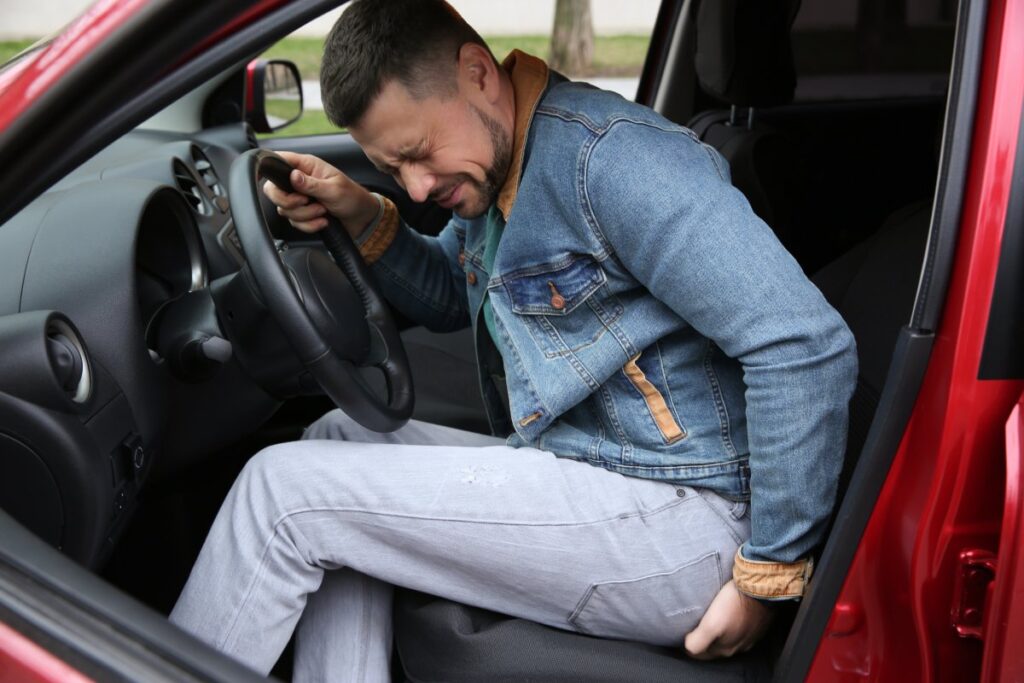

Auto accidents often result in injuries that are not immediately visible but can have long-lasting effects on spinal health. Among the most common and impactful of these injuries are disc injuries, including bulging, herniated, or degenerative discs caused by sudden trauma. Left untreated, these conditions can lead to chronic pain, nerve compression, reduced mobility, and long-term disability.
A chiropractic approach offers a non-surgical, drug-free pathway to healing that focuses on restoring spinal function, reducing disc pressure, and supporting the body’s natural recovery process.
At Chiropractic Center of Erie & Longmont, CO, patients benefit from nearly three decades of experience, advanced technology, and a proven track record of helping individuals recover from auto-related spinal injuries across the Front Range.
This article explores how post-auto accident chiropractic treatments play a vital role in disc injury recovery, with a special emphasis on spinal decompression for auto accidents, corrective care, and long-term rehabilitation.
Chiropractic Evaluation of Disc Injuries Following Auto Accidents
A thorough and accurate evaluation is the foundation of effective disc injury treatment after car accidents.
Auto collisions subject the spine to extreme forces—rapid acceleration, deceleration, twisting, and compression—that can damage spinal discs even at low speeds.
Why Disc Injuries Are Common After Car Accidents
Spinal discs act as shock absorbers between vertebrae. During a collision, these discs may:
- Shift out of position (bulging discs)
- Tear or rupture (herniated discs)
- Lose hydration and flexibility due to trauma
- Compress nearby spinal nerves
Comprehensive Chiropractic Assessment
A chiropractic evaluation typically includes:
- Detailed accident and symptom history
- Postural and gait analysis
- Orthopedic and neurological testing
- Range-of-motion assessments
- Imaging studies (X-rays or MRI referrals when necessary)
This evaluation helps determine:
- Which discs are injured
- Whether nerve compression is present
- How spinal alignment has been affected
- The severity and stage of disc damage
Early identification allows chiropractors to begin the right treatment before symptoms worsen or become chronic.
Spinal Decompression Therapy to Reduce Disc Pressure and Nerve Irritation
One of the most effective non-surgical treatments for disc injuries is spinal decompression therapy. This advanced chiropractic technique is specifically designed to address disc compression caused by trauma.
How Spinal Decompression Works
Spinal decompression uses a specialized traction table to gently and precisely stretch the spine. This process:
- Reduces pressure within damaged discs
- Creates negative pressure that may help retract bulging or herniated disc material
- Improves nutrient and oxygen flow to injured disc tissue
- Relieves compression on spinal nerves
Unlike traditional traction, decompression therapy is computer-controlled and customized to each patient’s condition.
Benefits for Auto Accident Disc Injuries
Spinal decompression for auto accidents is particularly effective for:
- Herniated and bulging discs
- Degenerative disc aggravation due to trauma
- Sciatica and radiating nerve pain
- Chronic back and neck pain following collisions
Patients often experience:
- Reduced pain and inflammation
- Improved mobility and flexibility
- Decreased reliance on medications
- Avoidance of invasive surgical procedures
When combined with other chiropractic treatments, decompression therapy supports comprehensive healing rather than temporary symptom relief.
Chiropractic Adjustments to Restore Spinal Alignment After Trauma
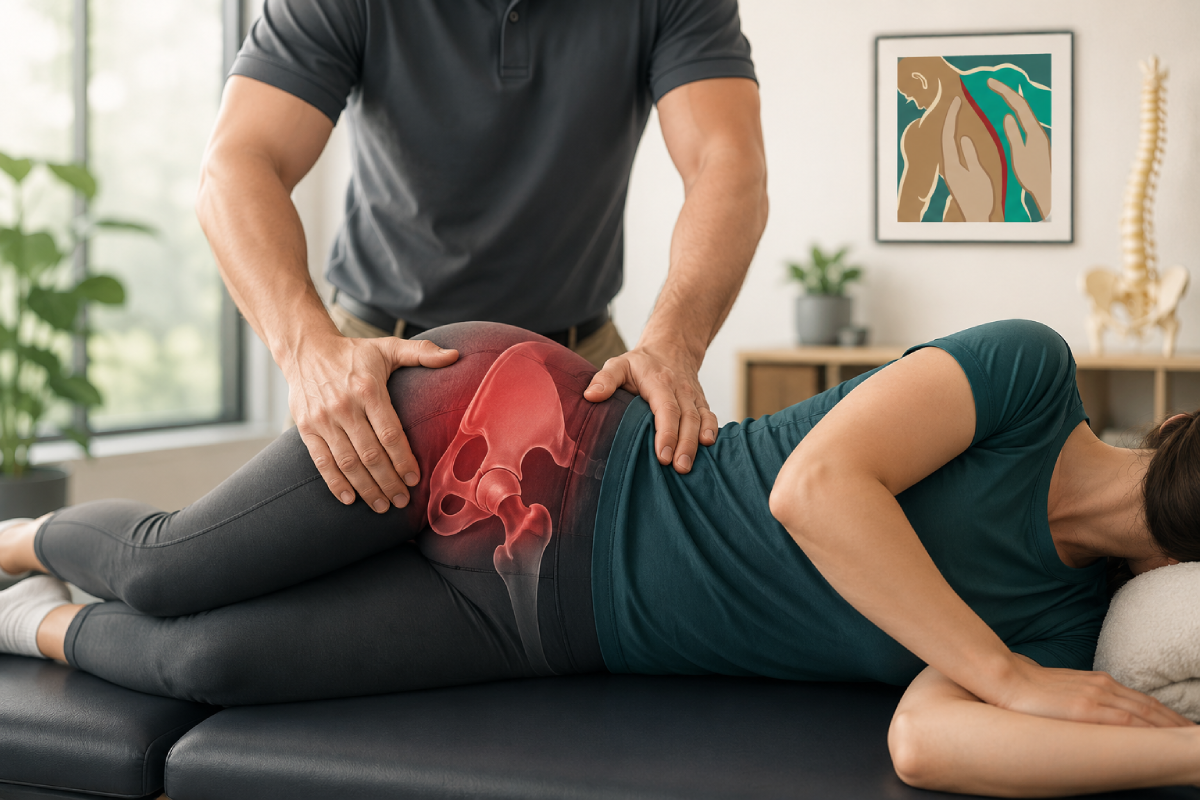
Auto accidents frequently cause misalignments in the spine known as subluxations. These misalignments disrupt normal joint motion and place additional stress on injured discs.
The Role of Chiropractic Adjustments
Chiropractic adjustments aim to:
- Restore proper vertebral alignment
- Improve joint mobility
- Reduce abnormal pressure on discs and nerves
- Enhance communication between the brain and body
For patients seeking a herniated disc chiropractor, adjustments are carefully modified to avoid aggravating disc injuries while promoting safe correction.
Trauma-Specific Adjustment Techniques
After an auto accident, chiropractors may use:
- Low-force or instrument-assisted adjustments
- Flexion-distraction techniques
- Gentle mobilization methods
- Segment-specific corrections
These techniques are especially important for patients dealing with disc injury treatment, where inflammation and instability require precision and care.
Long-Term Impact on Disc Health
Correcting spinal alignment:
- Prevents uneven disc loading
- Reduces the risk of further disc degeneration
- Enhances the effectiveness of spinal decompression
- Supports long-term spinal stability
This integrative approach makes chiropractic adjustments a cornerstone of auto injury rehabilitation.
Soft Tissue and Stabilization Techniques to Support Disc Healing
Disc injuries rarely occur in isolation. Muscles, ligaments, and connective tissues surrounding the spine are often strained or torn during auto accidents, contributing to pain and dysfunction.
Addressing Soft Tissue Damage
Chiropractic care often includes therapies such as:
- Myofascial release
- Trigger point therapy
- Therapeutic massage
- Instrument-assisted soft tissue mobilization
These techniques:
- Reduce muscle tension and spasms
- Improve circulation to injured areas
- Decrease inflammation
- Support spinal adjustments and decompression
Stabilization and Core Support
Disc injuries compromise spinal stability. Chiropractors focus on restoring this stability through:
- Targeted muscle activation
- Postural correction
- Neuromuscular re-education
- Bracing recommendations when appropriate
By strengthening the structures that support the spine, patients reduce the likelihood of reinjury and improve overall functional outcomes.
Rehabilitative Exercises and Ongoing Chiropractic Care for Long-Term Recovery
True recovery from disc injuries requires more than passive treatment. Rehabilitative care empowers patients to actively participate in their healing process.
Customized Rehabilitation Programs
Chiropractors design personalized exercise plans that may include:
- Core stabilization exercises
- Cervical and lumbar strengthening
- Flexibility and mobility training
- Balance and coordination work
These exercises are carefully introduced based on injury severity and recovery stage, making them a vital part of auto injury rehabilitation.
Preventing Chronic Pain and Recurrence
Ongoing chiropractic care helps:
- Monitor disc healing progress
- Adjust treatment plans as needed
- Address compensatory movement patterns
- Prevent chronic pain syndromes
Patients who continue care beyond the acute phase often experience:
- Faster return to daily activities
- Improved posture and biomechanics
- Reduced risk of future spinal injuries
Education on ergonomics, posture, and lifestyle modifications further supports long-term disc health.
Conclusion: Supporting Disc Recovery After Auto Accidents Through Chiropractic Care
Disc injuries resulting from auto accidents can significantly impact quality of life if left untreated. Fortunately, a comprehensive chiropractic approach offers an effective, non-invasive solution for healing and long-term recovery.
Through detailed evaluations, spinal decompression, precise chiropractic adjustments, soft tissue therapies, and structured rehabilitation, patients receive care that addresses both symptoms and root causes. This holistic strategy not only alleviates pain but also restores spinal function and resilience.
With over 29 years of experience and a commitment to excellence, Chiropractic Center of Erie & Longmont, CO, continues to provide trusted, results-driven care to the Front Range community.
Contact us today at 303-828-3000 or reach our Facebook page. Whether you are dealing with a recent collision or lingering symptoms, chiropractic care can play a critical role in helping your spine heal naturally and effectively.
Frequently Asked Questions
How does chiropractic care help disc injuries after a car accident?
Chiropractic care focuses on restoring spinal alignment, reducing disc pressure, and improving nerve function. Treatments may include spinal decompression, adjustments, soft tissue therapy, and rehabilitation to support disc healing after auto accidents.
Is spinal decompression effective for auto accident disc injuries?
Yes. Spinal decompression for auto accidents helps reduce pressure on injured discs, improve circulation, and relieve nerve compression, making it a highly effective non-surgical option.
When should I see a chiropractor after a car accident?
You should see a chiropractor as soon as possible, even if symptoms are mild. Early post-auto accident chiropractic treatments can prevent disc injuries from worsening or becoming chronic.
Can a chiropractor help with herniated discs caused by car accidents?
A herniated disc chiropractor can use gentle, trauma-specific techniques to reduce pain, improve mobility, and support healing without surgery in many cases.
What symptoms indicate a disc injury after a car accident?
Common symptoms include back or neck pain, numbness, tingling, radiating pain into the arms or legs, stiffness, and headaches—often overlapping with whiplash and disc injury conditions.
How long does auto injury rehabilitation for disc injuries take?
Recovery time varies depending on injury severity, overall health, and consistency of care. Many patients see improvement within weeks, while more severe disc injuries may require ongoing rehabilitation.